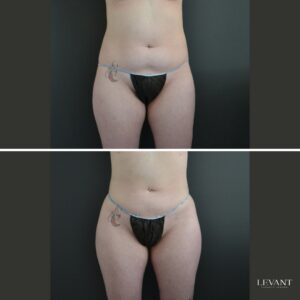
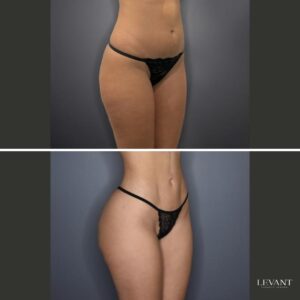
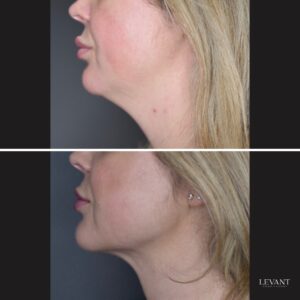
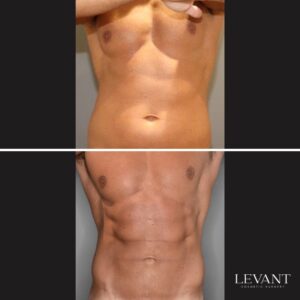
Vaser Liposuction
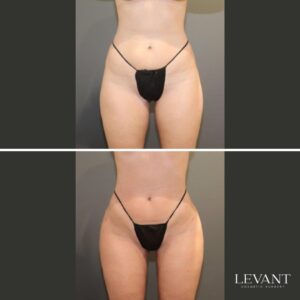
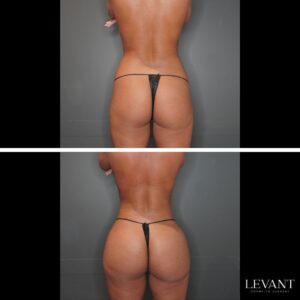
Aims to reduce excess fat that may be difficult to lose through diet and exercise alone. ⓘ


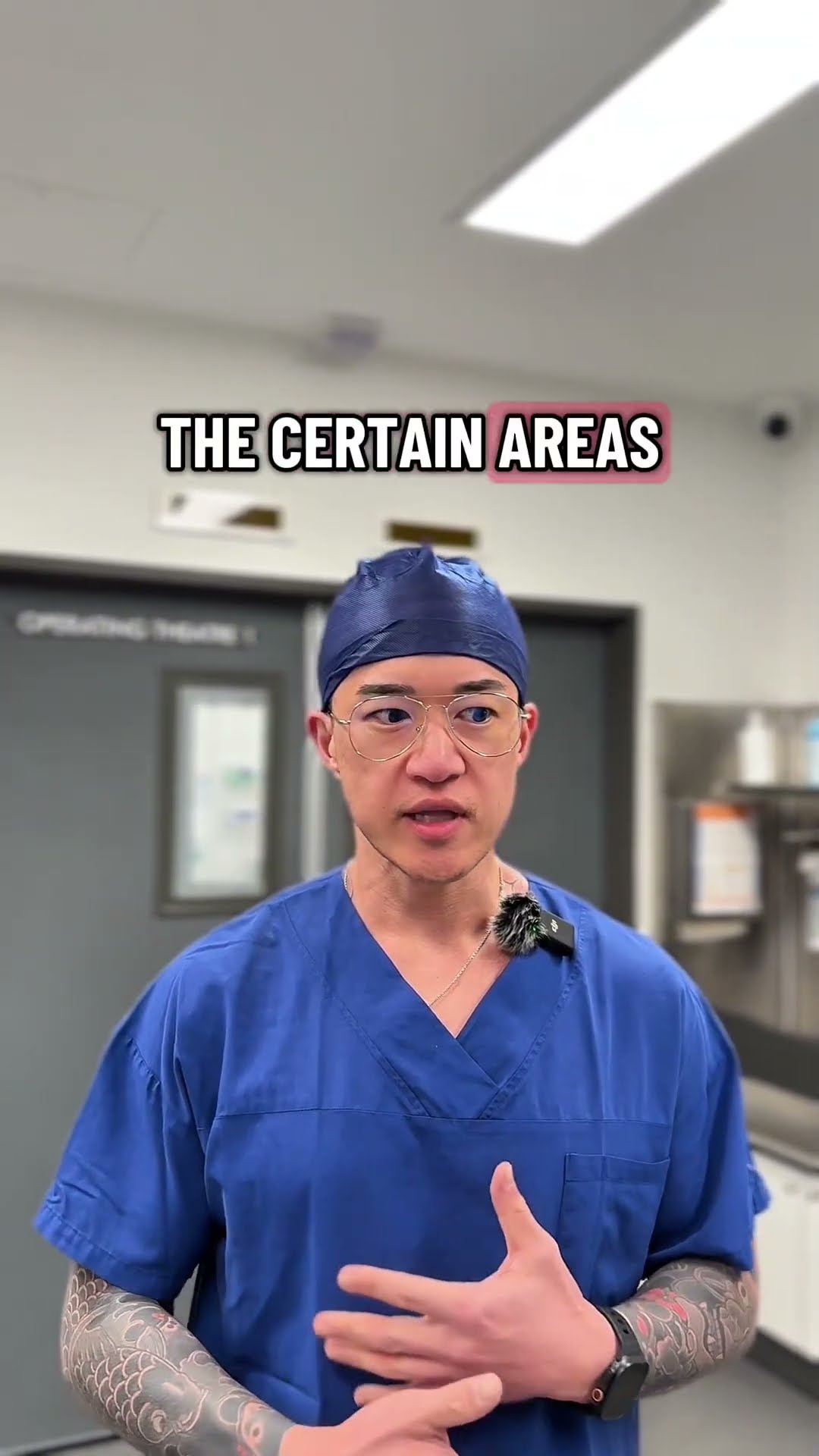
Dr Kim explains that it is a myth that fat moves elsewhere after liposuction. With weight gain, the fat cells you have get bigger, wherever they are. Treated areas have fewer fat cells, so they may show less change, while other areas can appear relatively bigger, though no bigger than they would have been without surgery. Outcomes vary between individuals.
Common myth about liposuction is that after liposuction, if you were to gain weight, that fat somehow miraculously goes elsewhere. Now, this is very far from the truth. What is happening is when you're gaining weight because essentially in a calorie surplus, the fat cells that you have and wherever they may be located, they're just getting bigger. So, after liposuction, the certain areas that we targeted, those areas are significantly depleted of fat cells.
What that means is with a certain amount of weight gain, yes, those existing few fat cells will enlarge, but you're not going to see a huge difference in overall volumetric difference. So other areas are going to get big as if they would have even if you hadn't had liposuction. But relative to before where you had other areas of which are of more important concern or more obvious sort of protrusion and size, the other areas that you didn't have liposuction can appear bigger when you're gaining weight.
But it does not mean that those areas now bigger than if you hadn't had liposuction to begin with.
In this video, Dr Mitchell Kim (MED0001187435, Registered Medical Practitioner: General) addresses the myth that fat moves to other areas if you gain weight after liposuction. Below is some background to help you understand the topic before you speak with a practitioner.
A common belief is that after liposuction, any weight you gain goes somewhere else. Dr Kim says this is not what happens.
Dr Kim explains that when you are in a calorie surplus, the fat cells you have get bigger, wherever they are located. After liposuction, the treated areas have fewer fat cells. Those remaining cells can still enlarge, but he says you are less likely to see a large change in volume in those areas.
Other areas will get bigger as they would have if you had not had liposuction. Dr Kim explains that because the treated areas were usually the more noticeable ones, the untreated areas can appear bigger by comparison. That does not mean they are bigger than they would otherwise have been. A stable weight is one of the things practitioners generally consider before surgery.
Vaser liposuction is not a treatment for obesity or a substitute for a healthy lifestyle. In general, practitioners may consider people who are in good general health and at a stable weight, who are looking to address specific areas of fat, and who have skin with sufficient elasticity. Suitability can only be determined in a consultation with a registered medical practitioner.
All surgery carries risk. Potential complications include infection, swelling, bruising, scarring, burns, changes in skin sensation, asymmetry or uneven results, fluid accumulation and, in rare cases, blood clots or reactions to anaesthesia. Some people may need further surgery. Recovery times and outcomes vary between individuals. Read more about risks and recovery.
Cosmetic surgery is a serious decision. If you’re considering Vaser liposuction, you will need a referral, preferably from your usual general practitioner, before your consultation. The consultation is the place to discuss your concerns, medical history, options (including not having surgery), risks and costs. Learn more about Vaser liposuction or request a consultation.
All surgery carries risk. Outcomes are individual and may vary. Speak with a registered medical practitioner about whether a procedure is suitable for you. View risks
Request a consultation with a registered medical practitioner to discuss your concerns, options, risks and recovery.