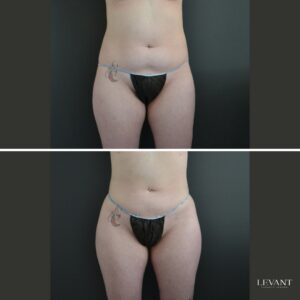
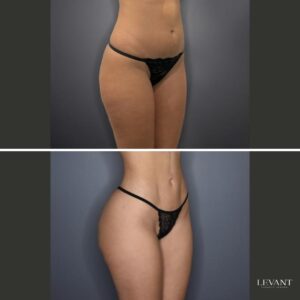
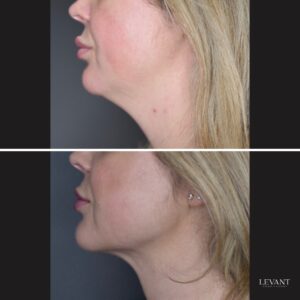
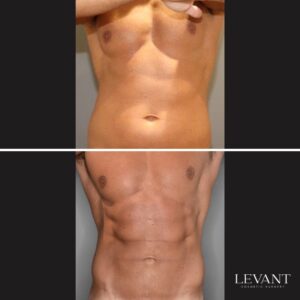
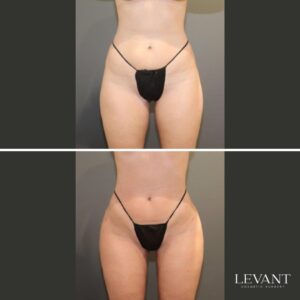
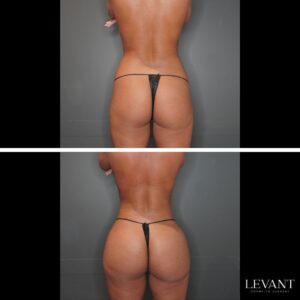
Vaser Liposuction
Aims to reduce excess fat that may be difficult to lose through diet and exercise alone. ⓘ


Dr Kim explains the two main parts of aftercare. For body liposuction, his protocol is a compression garment 23 hours a day for six weeks, and daily lymphatic drainage massage from three days after surgery until the end of week six. Massage can be a combination of professional sessions and help at home. Follow the plan your practitioner gives you.
So, what is involved in the aftercare after liposuction surgery? So, the first and most important thing is wearing a compression garments. So, for the body, my protocol is 6 weeks full time. That's 23 hours a day, every day, for 42 days straight. Now, you take it off 1 hour a day, and that's the time which you shower, you actually wash your garments, and you do your lymphatic drainage massage.
Now, as far as lymphatic drainage massage is concerned, that is another very, very important part of your recovery in order to get the best possible results. I normally get my patients to start their first lymphatic drainage massage 3 days after their liposuction surgery, and then to continue daily right until the end of 6 weeks. Now, this can be a combination of professionals and also maybe family members, someone at home that can help you with it.
But, the key importance is is the daily nature of it.
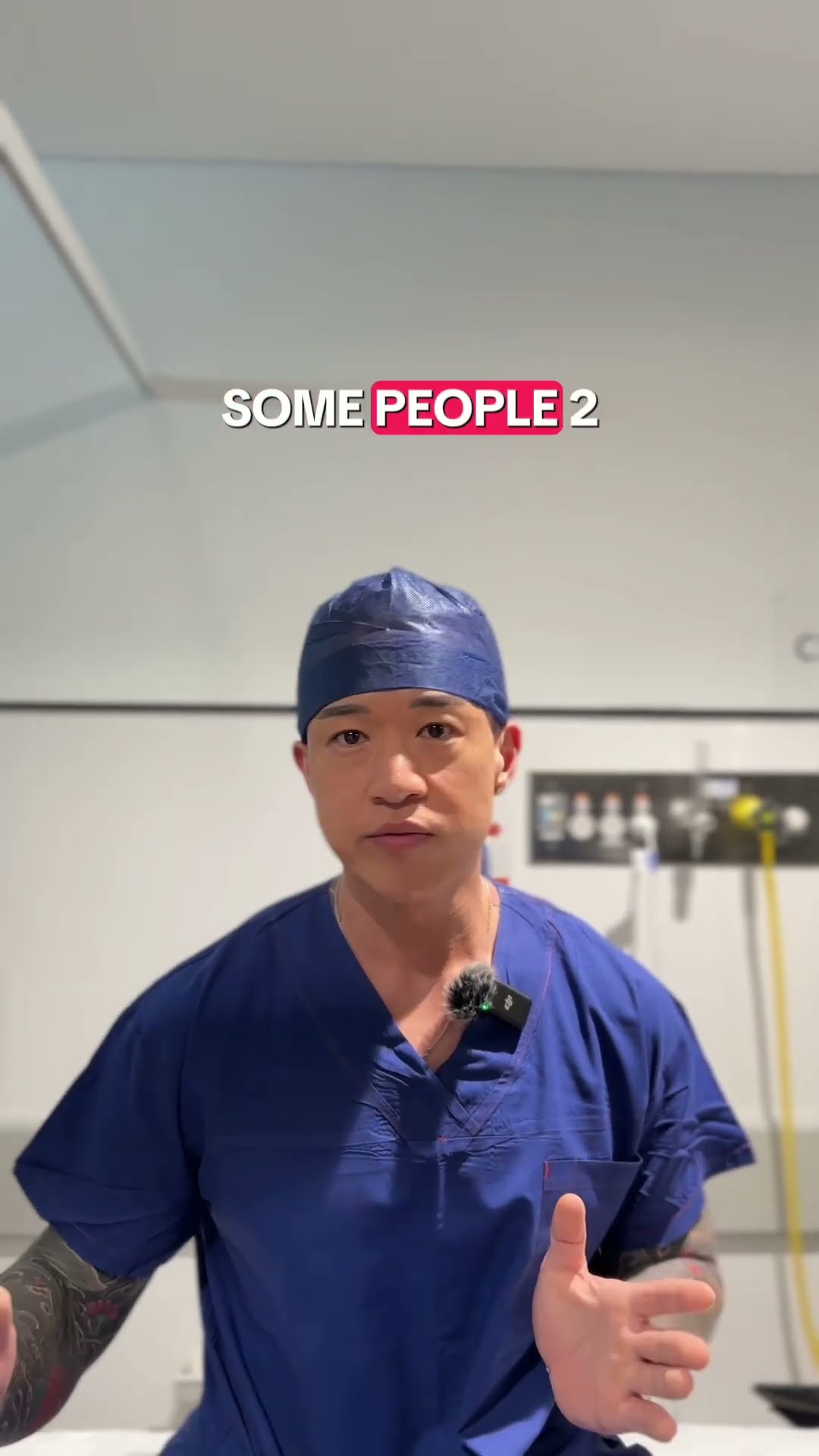
In this video, Dr Mitchell Kim (MED0001187435, Registered Medical Practitioner: General) explains the main parts of aftercare following liposuction to the body. Below is some background to help you understand the topic before you speak with a practitioner.
Dr Kim explains that the first and most important part of aftercare is wearing a compression garment. For the body, his protocol is six weeks full time, which means 23 hours a day for 42 days. You take it off for one hour a day to shower, wash your garments and have your lymphatic drainage massage.
Dr Kim describes lymphatic drainage massage as another very important part of recovery. He normally asks patients to start three days after surgery and continue daily until the end of week six. This can be a combination of professionals and someone at home who can help. He says the key is doing it every day.
You will need a responsible adult to collect you and stay with you for the remainder of the day and overnight. After your procedure, you will receive post-operative instructions, and a 24/7 contact number is provided for any post-surgery questions.
Vaser liposuction is not a treatment for obesity or a substitute for a healthy lifestyle. In general, practitioners may consider people who are in good general health and at a stable weight, who are looking to address specific areas of fat, and who have skin with sufficient elasticity. Suitability can only be determined in a consultation with a registered medical practitioner.
All surgery carries risk. Potential complications include infection, swelling, bruising, scarring, burns, changes in skin sensation, asymmetry or uneven results, fluid accumulation and, in rare cases, blood clots or reactions to anaesthesia. Some people may need further surgery. Recovery times and outcomes vary between individuals. Read more about risks and recovery.
Cosmetic surgery is a serious decision. If you’re considering Vaser liposuction, you will need a referral, preferably from your usual general practitioner, before your consultation. The consultation is the place to discuss your concerns, medical history, options (including not having surgery), risks and costs. Learn more about Vaser liposuction or request a consultation.
All surgery carries risk. Outcomes are individual and may vary. Speak with a registered medical practitioner about whether a procedure is suitable for you. View risks
Request a consultation with a registered medical practitioner to discuss your concerns, options, risks and recovery.