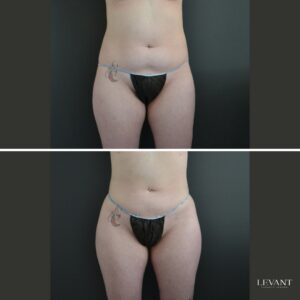
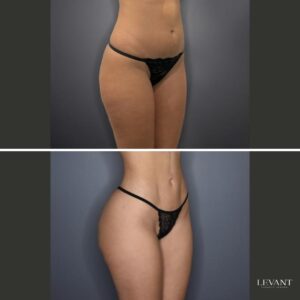
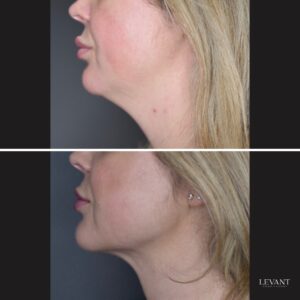
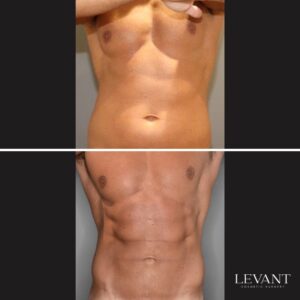
Vaser Liposuction
Aims to reduce excess fat that may be difficult to lose through diet and exercise alone. ⓘ


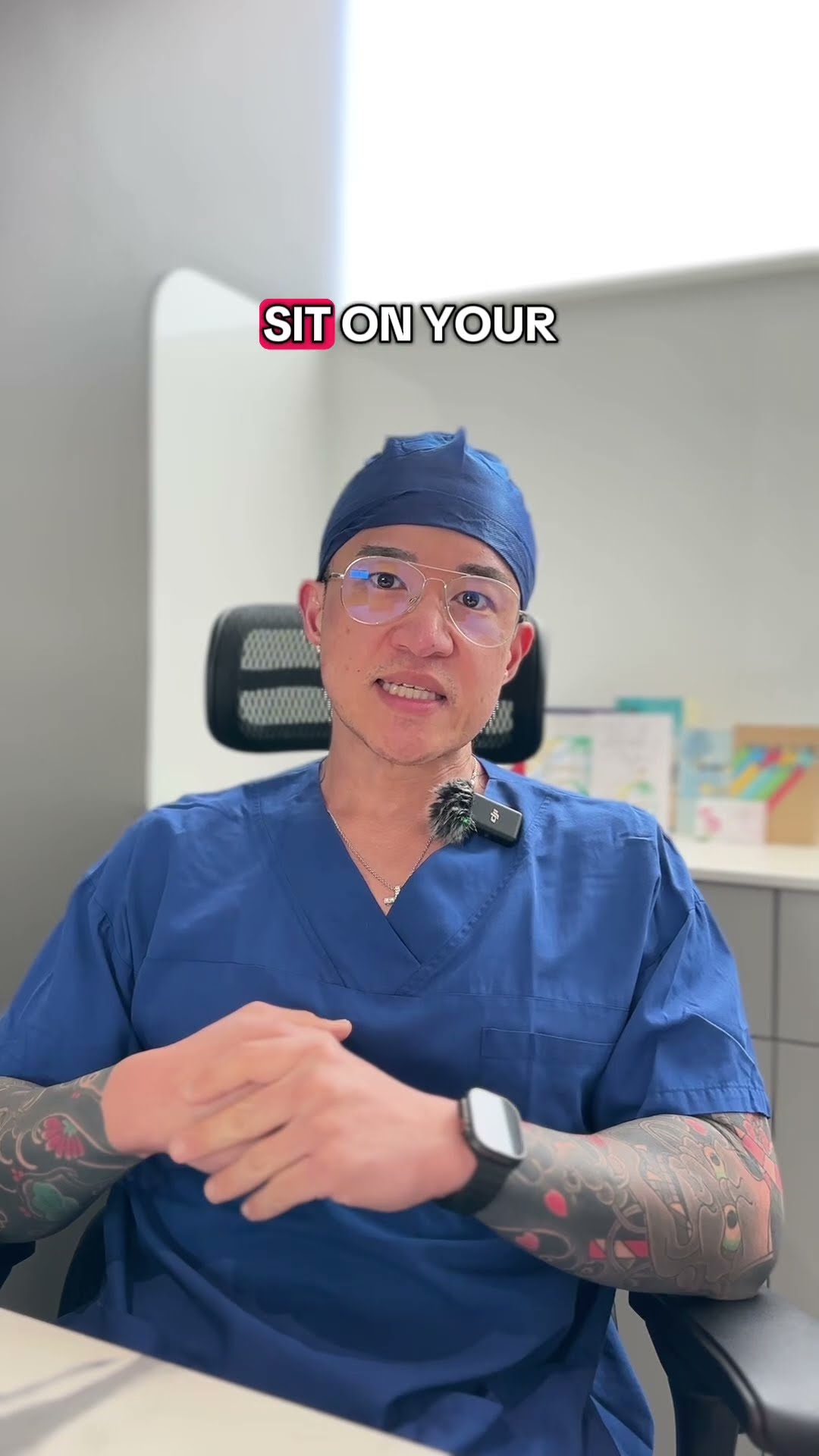
It depends on the surgery and your job. Dr Kim generally recommends at least one week off after most liposuction if you have a sedentary job, ideally two weeks for extensive areas, and longer for physically demanding work. After fat transfer to the buttocks, he generally suggests two weeks with a stand-up desk, or six weeks for physical jobs.
Okay, so how long should you take off work after getting liposuction or fat transfer surgeries? So, generally speaking, most areas of liposuction surgeries on the body, if you have a sedentary job, I would recommend 1 week off work minimum. If you're getting extensive areas of your body treated with Vaser liposuction, ideally 2 weeks. If you have a very physically rigorous job such as construction or you're an athlete, I would take a lot longer.
The general trend of recovery is after 6 weeks, physically you're able to do anything. So, we have to tailor your return to work in coordination with what's required of you at your place of work. Now, for fat transfer specific to the glutes or BBLs, now obviously you can't sit on your bottom for 6 weeks. So, people that have a sedentary job, I generally say you can go back to work at 2 weeks, but this is provided you have a stand-up desk or you can kneel on the ground.
Really, that's something you have to be able to adjust and be able to work with your recovery to make it a feasible option. Now, people that have a very physical job after fat transfer to the buttocks or BBL, I do advise them to take 6 weeks off work because another part of the recovery in the fat transfer surgery is not to move your body too strenuously during the first 6 weeks of recovery.
So, once again, if you're in the line of work where you require a lot of physical activity, I would advise those patients undergoing Brazilian butt lifts to take 6 weeks off work.
In this video, Dr Mitchell Kim (MED0001187435, Registered Medical Practitioner: General) explains how much time off work may be needed after liposuction and fat transfer surgery. Below is some background to help you understand the topic before you speak with a practitioner.
For most areas of liposuction, Dr Kim generally recommends at least one week off work if you have a sedentary job. If extensive areas are being treated with Vaser liposuction, he says two weeks is ideal. If your job is physically demanding, such as construction, or you are an athlete, he says you should expect to take longer.
Dr Kim describes the general trend of recovery as being able to do most physical activity after six weeks, so your return to work should be planned around what your work requires of you.
After a fat transfer to the buttocks, or BBL, you can’t sit on your bottom for six weeks. For sedentary jobs, Dr Kim generally says you can return at two weeks, provided you have a stand-up desk or can kneel. For physical jobs, he advises six weeks off work, because strenuous movement is also avoided during the first six weeks.
Vaser liposuction is not a treatment for obesity or a substitute for a healthy lifestyle. In general, practitioners may consider people who are in good general health and at a stable weight, who are looking to address specific areas of fat, and who have skin with sufficient elasticity. Suitability can only be determined in a consultation with a registered medical practitioner.
All surgery carries risk. Potential complications include infection, swelling, bruising, scarring, burns, changes in skin sensation, asymmetry or uneven results, fluid accumulation and, in rare cases, blood clots or reactions to anaesthesia. After fat transfer, risks also include fat necrosis (death of the transferred fat), oil cysts and, in rare cases, fat embolism (fat entering the bloodstream), which can be life-threatening. Some people may need further surgery. Recovery times and outcomes vary between individuals. Read more about risks and recovery.
Cosmetic surgery is a serious decision. If you’re considering Vaser liposuction, you will need a referral, preferably from your usual general practitioner, before your consultation. The consultation is the place to discuss your concerns, medical history, options (including not having surgery), risks and costs. Learn more about Vaser liposuction or request a consultation.
All surgery carries risk. Outcomes are individual and may vary. Speak with a registered medical practitioner about whether a procedure is suitable for you. View risks
Request a consultation with a registered medical practitioner to discuss your concerns, options, risks and recovery.