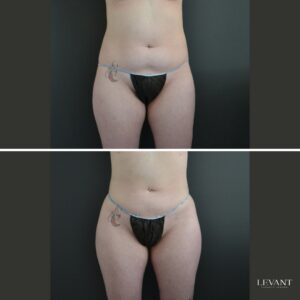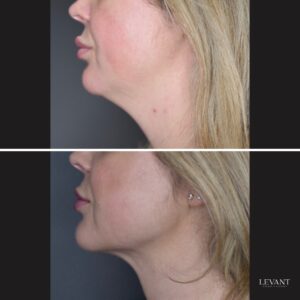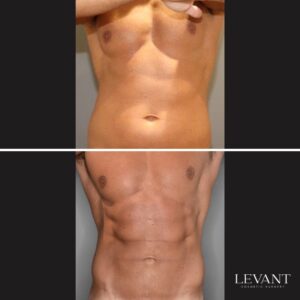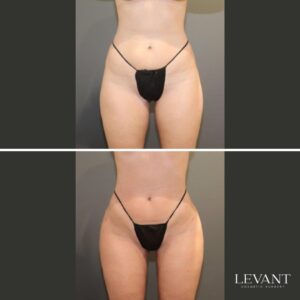
Vaser Liposuction
Aims to reduce excess fat that may be difficult to lose through diet and exercise alone. ⓘ


Dr Kim explains that he considers two things when assessing suitability for surgery: patient safety, which covers both medical and psychological factors, and whether what the patient is hoping for is in line with what he believes can realistically be achieved. If it is not, he says he will tell the patient so. Suitability can only be determined in a consultation with a registered medical practitioner.
So, how do I assess a patient's suitability for surgery? So, the two factors that I consider most important patient safety and the patient satisfaction. So, from a safety perspective, it's not just the medical, but also the psychological aspect as well. So, we assess all that in the two consultations that we have. And in terms of satisfaction, basically what I feel I can deliver to the patient and what the patient is after, they have to be in line.
If what the patient is asking for is something that I believe I can't deliver, then I'll be just honest and straight up and tell them I can't do that for them. Now, this applies a lot to our revision cases. So, in the last couple of years, I've been doing a lot of revision cases on patients who've had surgeries overseas.
Now, I do see a lot more revision consults, doesn't mean I take them all on. Some, if I feel confident that I can improve from what they are, then definitely, I'll like to help them. But, some patients are at a position where I don't feel what I can do with my hands is going to be able to improve their appearance.
In those patients, unfortunately, I turn them away.
In this video, Dr Mitchell Kim (MED0001187435, Registered Medical Practitioner: General) explains the two main factors he considers when assessing whether surgery may be suitable. Below is some background to help you understand the topic before you speak with a practitioner.
Dr Kim says the first factor is patient safety, and that this covers more than the medical side. Psychological aspects are also assessed, across the two consultations that take place before surgery.
The second factor is patient satisfaction. In Dr Kim’s words, what the patient is after and what he feels he can deliver have to be in line. If a patient asks for something he believes he can’t deliver, he says he will be upfront and tell them.
Dr Kim says this applies in particular to revision consultations, including patients who have had surgery overseas. A revision consultation does not mean surgery will go ahead. He says he does not take on every case, and that some patients are advised against further surgery.
At your initial consultation, you will meet with a registered medical practitioner. Your medical history, current health and treatment objectives will be reviewed, and the doctor will assess whether the procedure may be appropriate for you and explain what it involves, including possible risks, side effects and limitations.
All surgery carries risk. Potential complications include infection, swelling, bruising, scarring, burns, changes in skin sensation, asymmetry or uneven results, fluid accumulation and, in rare cases, blood clots or reactions to anaesthesia. Some people may need further surgery. Recovery times and outcomes vary between individuals. Read more about risks and recovery.
Cosmetic surgery is a serious decision. If you’re considering Vaser liposuction, you will need a referral, preferably from your usual general practitioner, before your consultation. The consultation is the place to discuss your concerns, medical history, options (including not having surgery), risks and costs. Learn more about Vaser liposuction or request a consultation.
All surgery carries risk. Outcomes are individual and may vary. Speak with a registered medical practitioner about whether a procedure is suitable for you. View risks
Request a consultation with a registered medical practitioner to discuss your concerns, options, risks and recovery.