Vaser Liposuction
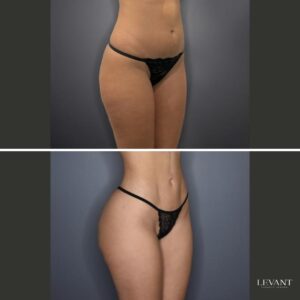
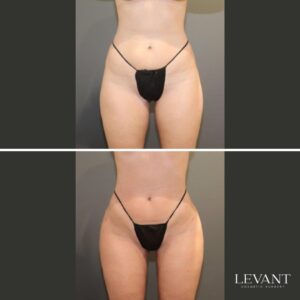
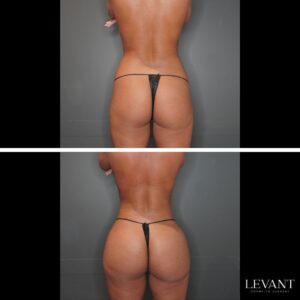
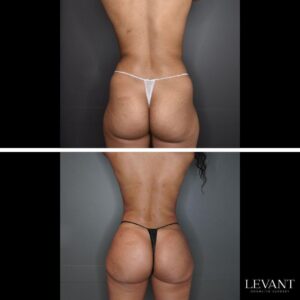
Aims to reduce excess fat that may be difficult to lose through diet and exercise alone. ⓘ


Dr Kim explains that the main aim is to retain as much fat as possible, which means avoiding pressure on the buttocks and hips. You sleep on your stomach, eat standing up, and sit only for the toilet and when getting into transport, using a BBL pillow when travelling. The first two weeks are especially important, and he asks patients to stay off their bottom for six weeks.
What is involved in the aftercare after a BBL or a fat transfer to the buttock or hip surgery? The most important thing is we want to get maximum retention of the fat. In order to do that, you can't apply any pressure to the buttock or hip region, which means you have to sleep on your tummy. You have to eat standing up.
The only two times you can sit are when you're going to the toilet and when you're getting into a mode of transportation, car or a plane. So, when you're going to the toilet, you sit mostly on the back of your hamstrings. Try to lean forward. Just try to minimize the pressure on your buttocks and essentially just make it quick.
Now, when you're getting into a car or a plane, you use something called a BBL pillow. This firm foam pillow goes in the back of your hamstrings. So, your bum is going to be suspended. Now, just because you have this pillow does not mean you can sit on that for all day, 10 hours a day. It is just literally when you're getting into a car, when you're getting into a plane to go back home.
Now, how long to do this for? The first two weeks is the absolute golden period. But I tell all my patients, you're going to be off your bum for 6 weeks. After 6 weeks, you can do whatever you want to do. You can catch a long flight. You can sit on your bum for as long as you want.
And I encourage patients to start exercising and do everything normal from six weeks on. But you just have to be good during the first six weeks in order to get the maximum amount of fat that's going to stay in that region for the rest of your life.
In this video, Dr Mitchell Kim (MED0001187435, Registered Medical Practitioner: General) explains the aftercare involved after a fat transfer to the buttocks and hips. Below is some background to help you understand the topic before you speak with a practitioner.
Dr Kim explains that the most important aim is to retain as much of the transferred fat as possible. This means you can’t apply pressure to the buttocks or hips, so you sleep on your stomach and eat standing up.
Dr Kim says the only two times you can sit are when going to the toilet and when getting into a car or a plane. On the toilet, you sit mostly on the back of your hamstrings, lean forward and keep it brief. For travel, a BBL pillow, a firm foam pillow placed behind the hamstrings, keeps the buttocks suspended. He notes that this is not for sitting all day.
Dr Kim describes the first two weeks as the most important period, and tells patients to stay off their bottom for six weeks. From six weeks, he encourages patients to start exercising and return to normal activities.
In general, practitioners may consider people who are in good general health and at a stable weight, do not smoke (or will stop before and after surgery as advised), and are not pregnant or breastfeeding. Suitability can only be determined in a consultation with a registered medical practitioner.
All surgery carries risk. Potential complications include infection, swelling, bruising, scarring, burns, changes in skin sensation, asymmetry or uneven results, fluid accumulation and, in rare cases, blood clots or reactions to anaesthesia. After fat transfer, risks also include fat necrosis (death of the transferred fat), oil cysts and, in rare cases, fat embolism (fat entering the bloodstream), which can be life-threatening. Some people may need further surgery. Recovery times and outcomes vary between individuals. Read more about risks and recovery.
Cosmetic surgery is a serious decision. If you’re considering gluteal fat transfer, you will need a referral, preferably from your usual general practitioner, before your consultation. The consultation is the place to discuss your concerns, medical history, options (including not having surgery), risks and costs. Learn more about gluteal fat transfer or request a consultation.
All surgery carries risk. Outcomes are individual and may vary. Speak with a registered medical practitioner about whether a procedure is suitable for you. View risks
Request a consultation with a registered medical practitioner to discuss your concerns, options, risks and recovery.