
MED0000996284 - This website contains imagery which is only suitable for audiences 18+. All procedures contain risks, read more here
  • Helps target enlarged pores and rough skin texture with non-surgical treatments including chemical peels, microneedling, and Exomide.
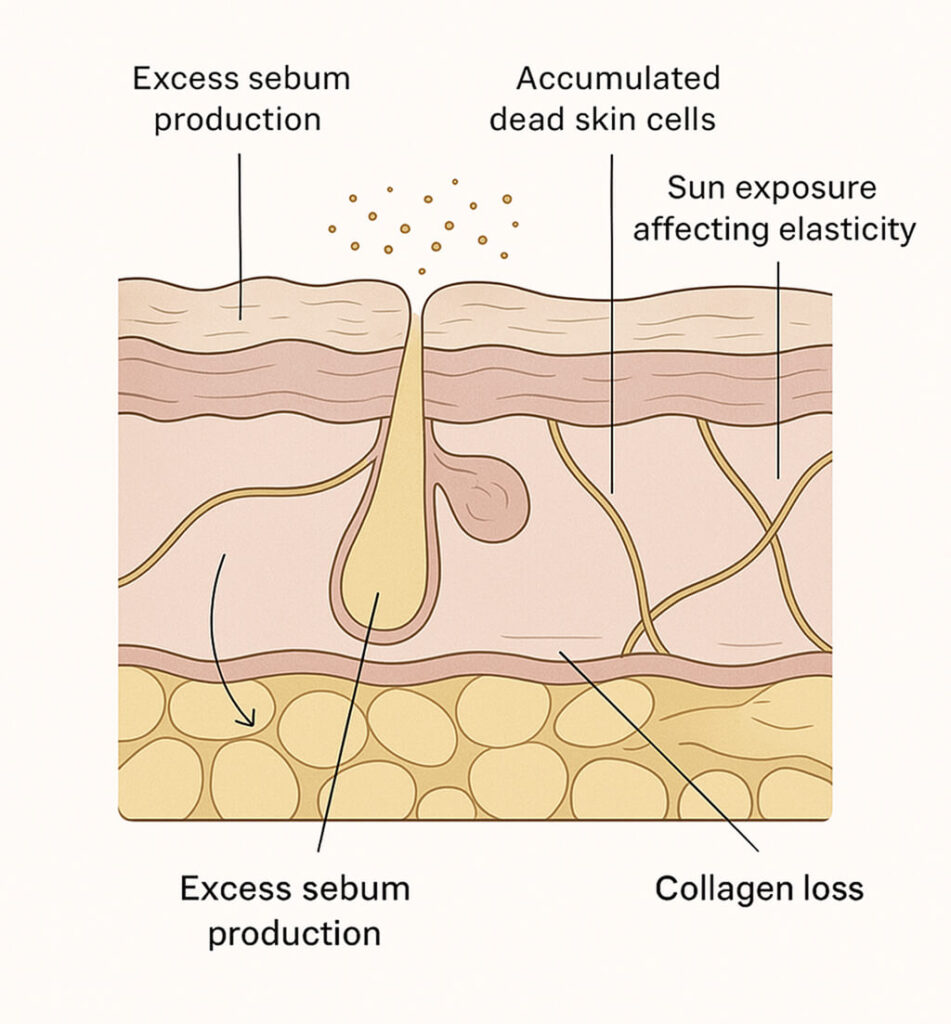
  • Addresses causes such as excess sebum production, dead skin cell build-up, sun damage, and collagen loss to enhance skin clarity and smoothness.
  • A personalised treatment plan is developed during consultation, with tailored aftercare guidance and home routines to support gradual improvements over 6–12 weeks.

At a glance

Enlarged pores, often visible across the nose, cheeks, and forehead, can also affect the smoothness and clarity of the skin.

These concerns may be caused by a combination of genetics, oil production, reduced cell turnover, sun damage, or previous breakouts. At Levant Cosmetic Surgery, we offer non-surgical treatment options that support healthy skin function.
What Causes Enlarged Pores and Rough Texture?

Contributing factors to enlarged pores and uneven skin texture include excess sebum, dead skin cell buildup, sun exposure, and collagen loss.

  • Excess sebum production
  • Accumulated dead skin cells blocking pore openings
  • Sun exposure reducing skin elasticity
  • Age-related collagen loss
  • Scarring from past acne

A consultation allows your practitioner to assess whether your skin would benefit from exfoliating, resurfacing, or collagen-stimulating procedures.

Non-Surgical Treatments for Texture & Pores

Chemical Peels

Superficial peels help exfoliate dead skin cells and promote cellular turnover. Customised solutions are chosen based on your skin type and sensitivity.

Skin Needling (Microneedling)

Microneedling stimulates collagen production, which can improve overall skin texture and reduce the appearance of enlarged pores by thickening the surrounding dermal structure.

Exomide

Exomide treatments deliver topical exosomes to the skin, which may help support skin regeneration, hydration, and overall texture. It’s often used in combination with other techniques to enhance smoothness and radiance.

What to Expect

Most patients undergo a series of treatments for optimal results. A personalised plan will include:

  • Frequency of sessions
  • Skincare adjustments to support outcomes
  • Sun protection and aftercare guidance

Texture-related improvements typically occur over 6–12 weeks, with continued gains over time.

Supporting Results at Home

To maintain smoother skin between treatments, patients are often advised to:

  • Avoid harsh physical exfoliants
  • Use a gentle cleanser and hydrating serum
  • Apply SPF daily
  • Minimise pore congestion through proper cleansing routines

Disclaimer

All treatments carry risks and must be prescribed and administered by a qualified practitioner following consultation. Results vary by individual. This content is for educational purposes and follows Ahpra advertising guidelines.

Why Levant Cosmetic Surgery?

CHOICE OF PRACTITIONER
Consultations and procedures are carried out by registered medical practitioners, including FRACS-qualified plastic surgeons. At your consultation, a practitioner will discuss available options.
CONSULTATION PROCESS
Each consultation includes a discussion of your medical history and treatment objectives. Potential risks, side effects, and limitations are also explained to support informed decision-making.
FEES AND COSTS
During your consultation, you will receive clear information about fees. A detailed breakdown of costs is provided before you decide whether to proceed.
FOLLOW-UP CARE
Follow-up appointments are part of the clinical process after surgery. Your practitioner and nursing staff will monitor your recovery and provide aftercare information.
ACCESS TO PRACTITIONERS
Patients receive contact details for their treating practitioner after a procedure. For urgent medical issues or emergencies, always call 000.
OUR APPROACH
We provide cosmetic surgical services in accredited facilities. Information about risks, recovery, and alternatives is shared to help patients make informed choices.