
MED0000996284 - This website contains imagery which is only suitable for audiences 18+. All procedures contain risks, read more here

Skin laxity refers to the gradual loss of firmness and elasticity that can affect the face, neck, jawline, and body.

  • May enhance skin firmness and tone without surgery, using non-surgical treatments like PRP therapy, and Exomide.
  • Targets UV damage and hydration decline to stimulate collagen production and support elasticity.
  • Customised treatment plans are developed during consultation, with home care recommendations to maintain long-term results.

At a glance

It’s influenced by genetics, sun exposure, lifestyle, and changes in weight.

At Levant Cosmetic Surgery, we offer non-surgical procedures that may help stimulate collagen.
What Causes Skin to Lose Firmness?

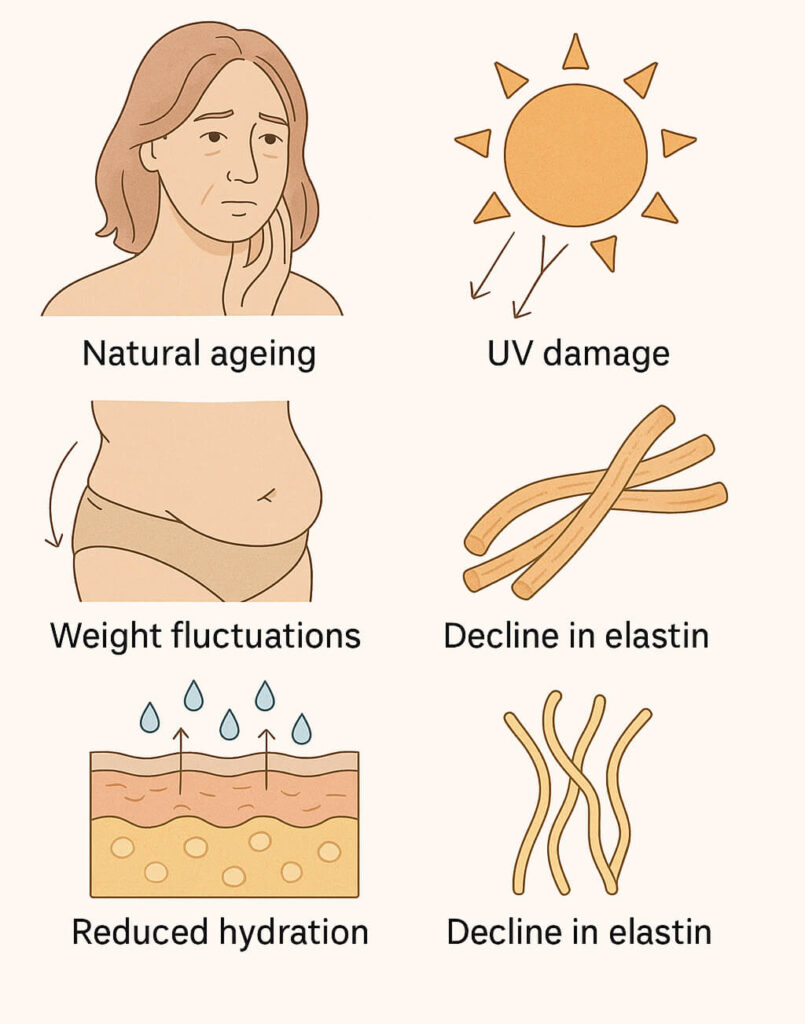
Skin laxity can result from multiple factors including natural ageing, UV exposure, weight fluctuations, loss of elastin, and reduced hydration — all of which affect skin structure and firmness.

  • Natural ageing and decreased collagen production
  • UV damage and oxidative stress
  • Weight fluctuations
  • Reduced hydration or poor skin barrier function
  • Decline in elastin and structural proteins

Skin laxity is often most noticeable along the lower cheeks, jawline, and neck, but can also affect areas such as the décolletage or arms.

Non-Surgical Treatments for Skin Laxity

PRP Therapy (Platelet-Rich Plasma)

PRP helps rejuvenate the skin using your body’s own growth factors. This therapy may promote collagen synthesis and improve skin tone in patients with early to moderate laxity.

Exomide

Exomide is a topical treatment that uses exosome-rich formulas to support the skin’s repair and renewal systems. It is often used to complement other therapies and may help improve hydration, and tone.

What to Expect from Treatment

Non-surgical treatments for skin laxity often require a series of sessions to promote progressive changes in skin firmness. Your practitioner will:

  • Assess the area(s) of concern
  • Recommend treatment combinations if appropriate
  • Outline expected timelines for visible improvement

Most treatments allow you to return to your usual activities shortly after.

Maintaining Skin Firmness

In addition to in-clinic care, long-term skin support may involve:

  • Consistent sun protection
  • Medical-grade skincare for hydration and barrier health
  • Healthy nutrition and hydration
  • Avoiding smoking and other environmental stressors

Disclaimer

All cosmetic treatments carry risks and are only recommended following a consultation with a qualified practitioner. Results vary by individual. This content is intended for education and complies with Ahpra’s advertising standards.


Why Levant Cosmetic Surgery?

CHOICE OF PRACTITIONER
Consultations and procedures are carried out by registered medical practitioners, including FRACS-qualified plastic surgeons. At your consultation, a practitioner will discuss available options.
CONSULTATION PROCESS
Each consultation includes a discussion of your medical history and treatment objectives. Potential risks, side effects, and limitations are also explained to support informed decision-making.
FEES AND COSTS
During your consultation, you will receive clear information about fees. A detailed breakdown of costs is provided before you decide whether to proceed.
FOLLOW-UP CARE
Follow-up appointments are part of the clinical process after surgery. Your practitioner and nursing staff will monitor your recovery and provide aftercare information.
ACCESS TO PRACTITIONERS
Patients receive contact details for their treating practitioner after a procedure. For urgent medical issues or emergencies, always call 000.
OUR APPROACH
We provide cosmetic surgical services in accredited facilities. Information about risks, recovery, and alternatives is shared to help patients make informed choices.