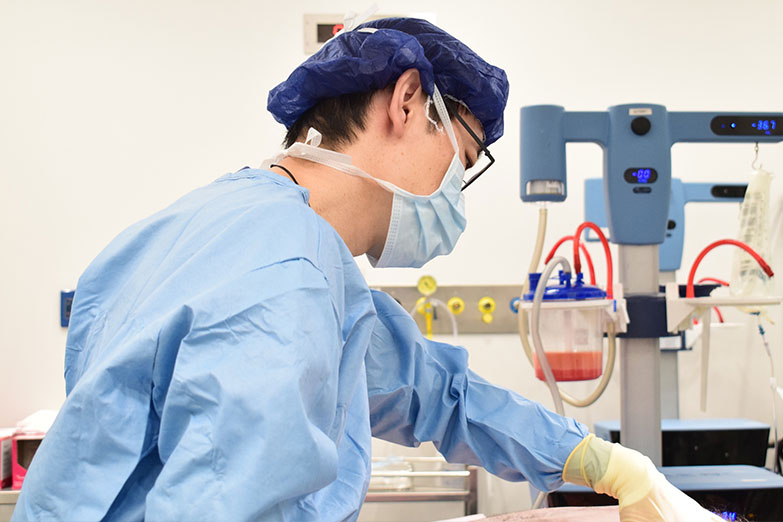
Vaser Liposuction
Aims to reduce excess fat that may be difficult to lose through diet and exercise alone. ⓘ


Follow-up appointments are an important part of recovery after liposuction surgery. They allow your doctor to check how your body is healing and to identify any issues early.
Many people researching liposuction in Sydney and across Australia focus on the procedure itself, but what happens after surgery plays a big role in overall safety and recovery.
This article is based on clinical information shared by Dr. Mitchell Kim, Registered Medical Practitioner (MED0001187435), practising at Levant Cosmetic Surgery.
Follow-up visits are not optional check-ins. They are part of standard post-operative care after liposuction. These appointments allow your doctor to:
Many post-operative issues are easier to manage when identified early. Follow-up visits provide that opportunity.
Skipping follow-up appointments removes an important layer of medical oversight during recovery. Without review:
Some issues that could be managed conservatively early on may require more involved treatment if addressed later.
Post-operative care generally follows a structured schedule, although timing may vary depending on the individual and the extent of surgery. Appointments are commonly scheduled around:
These visits allow your doctor to track healing at different stages and answer questions as recovery progresses. If fat transfer has been performed alongside liposuction, follow-up care becomes especially important to monitor tissue response.
Each follow-up appointment focuses on different aspects of healing. Your doctor may:
These checks help confirm that recovery is progressing as expected.
Compression garments are commonly recommended after liposuction. They help support healing and manage swelling. During follow-up visits, your doctor can:
Wearing compression garments correctly is often part of post-operative guidance and is reviewed during follow-up care.
Follow-up appointments act as a safety measure throughout recovery. They allow medical professionals to identify changes that may not be obvious to the patient.
Some complications develop gradually and may not cause immediate symptoms. Regular review helps ensure concerns are addressed before they become more serious.
Yes. Follow-up visits are part of standard medical care after liposuction and help monitor healing and identify potential issues early.
Appointments are usually brief. They focus on assessment, discussion, and answering questions about recovery.
Follow-up appointments are usually scheduled around recovery timelines and can often be arranged to fit around work commitments.
Even if recovery feels smooth, follow-up appointments are still important. Some issues are not noticeable without clinical assessment.
Disclaimer: This article provides general information only and does not replace a medical consultation. Post-operative care, recovery timelines, and individual considerations are discussed in detail during consultation with a qualified medical practitioner.